
Cermat Moves Forward with Its Circular Economy Roadmap
The EBRD’s proceeds will be used for expanding the production capacity of Cermat, through construction of a new production and storage facility and acquisition of new production equipment.
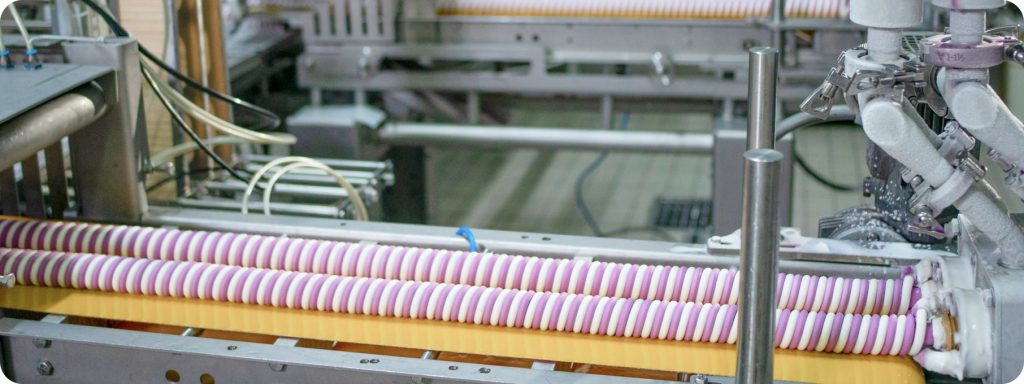
The way we make something matters almost as much as what we make.
As Cermat continues to expand, we are looking more closely at the resources behind our production: the energy that powers it, the water we use, the materials that go into our products and packaging, and what happens to resources once they have done their job.
As part of our ongoing cooperation with the European Bank for Reconstruction and Development (EBRD), we have completed a Circular Economy Roadmap assessment prepared by VCG.AI. The assessment looks at the progress we have already made and sets out practical steps for making our approach to resource use more measurable, transparent and effective.
Our management team has adopted the roadmap as part of Cermat’s business strategy, giving these principles a clear place in how we plan, invest and grow.
Starting with What We Already Do
Circularity is not something we are adding to our business from scratch.
Our ongoing investment in modern production, renewable electricity, heat recovery, refrigeration and packaging has already changed the way we use resources across our operations.
The VCG.AI assessment looked at these investments in greater detail, considering where they are already helping us use materials, energy and water more efficiently and where there is room to go further.
What emerged was encouraging: we have a strong foundation to build on.
The roadmap is the next part of that process. It gives us a practical way to connect individual investments and improvements with a broader picture of how resources move through our business.
Where the Work is Already Happening
Making Better Use of Energy
We are increasing our use of renewable electricity while introducing heat recovery and heat pump technologies, alongside improved hot-water and steam systems.
These changes may sit behind the scenes, but they make a meaningful difference to the way our production operates. Better energy management means getting more from the resources that power our facilities while building more efficient systems for the future.
Rethinking the Cold Chain
For an ice cream producer, refrigeration is hardly a side note. Keeping products at the right temperature is fundamental to what we do.
Our new facility incorporates ammonia refrigeration and variable-speed equipment, creating a modern refrigeration system designed to maintain product quality while using energy more efficiently.
It is a good example of how circular economy thinking can become part of everyday production: not a separate initiative, but a better way of designing the systems we rely on.
Looking More Closely at Packaging
Packaging is another area where we have already made progress.
We are continuing to look at packaging performance while improving the information we collect and share with suppliers. That information matters because better decisions start with knowing what we are working with.
Stronger supplier collaboration will help us understand materials more clearly, identify areas for improvement and make more informed choices across the supply chain.
Finding More Value in Water and By-products
Water use, cleaning processes and production by-products are among the areas we are now looking at more closely.
There is no single answer to what happens next. The opportunity is to understand these processes better, identify where resources can be used more efficiently and explore whether materials leaving one part of the process can have value somewhere else.
That is precisely where a roadmap becomes useful: it turns a broad ambition into a series of questions we can actually work on.
Measuring What Matters
One of the most important things we are taking forward is a stronger approach to measurement.
If we want to improve how we use resources, we need to know where we are starting, what is changing and whether those changes are making a difference.
We are therefore working towards more consistent data collection and monitoring across key resource areas, with clearer responsibilities and processes behind them.
This will help us understand the impact of our investments, track progress over time and make better decisions about where to focus next. It will also give our customers, business partners and other stakeholders a clearer view of the work taking place behind our products.
From Roadmap to Everyday Practice
For us, the value of the Circular Economy Roadmap is not in having another document on a shelf.
Its value is in what we do with it. That means continuing to build resource efficiency into new investments, improving the way we measure and report our performance, working more closely with suppliers and using reliable information to guide future decisions. We see three priorities at the center of that work:
Responsible Growth
Making resource efficiency and circular economy principles part of both major investments and everyday decisions.
Better Information
Building clearer, more consistent ways to understand our resource use and communicate our progress.
Continuous Improvement
Using what we learn to make better decisions, improve our processes and find new opportunities to use resources more thoughtfully.
Looking Further Ahead
We make ice cream, but behind every product is a surprisingly complex chain of energy, water, materials, equipment and people.
Understanding that chain better is part of becoming a better producer.
The Circular Economy Roadmap gives us a clearer way forward: building on the investments we have already made, measuring their impact more carefully and looking for the next opportunity to do things better.
For Cermat, that is what responsible growth looks like. Not a finish line, but a habit of asking better questions about how we produce, how we use resources and how we can keep improving.
